Diversity in Business: The Driving Force Behind Scandinavian Success
In today’s global economy, embracing diversity is a competitive advantage for businesses. Scandinavia, renowned for its progressive social policies and innovative business landscape, offers valuable insights into how diversity fuels success. From workforce inclusion to the remarkable impact of foreign-born entrepreneurs, let’s delve into the key statistics and trends shaping Scandinavia’s remarkable diversity narrative.
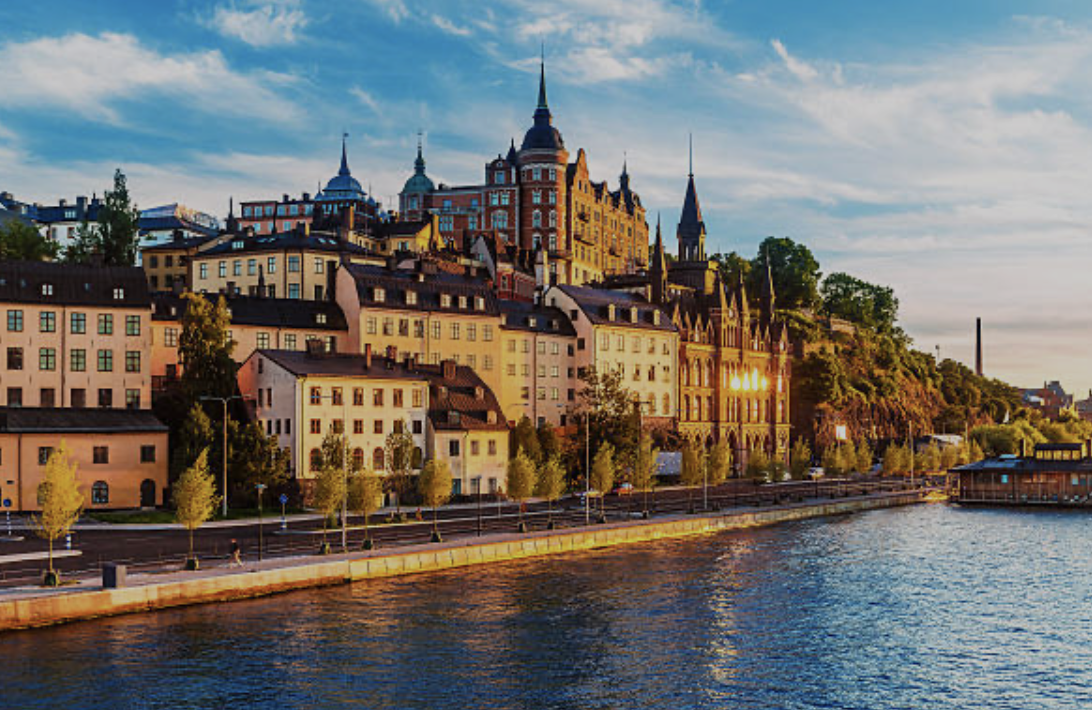
Scandinavia consistently ranks as one of the most inclusive regions globally. In Sweden, immigrants comprise 20% of the population, and their representation in the labor market is steadily rising. Denmark, too, boasts a 10% foreign-born workforce, underscoring the region’s unwavering commitment to integrating international talent into its economy.
Entrepreneurship thrives among immigrants in Scandinavia. In Sweden, foreign-born individuals own 16% of all businesses, significantly contributing to sectors such as retail, IT, and hospitality. Norway has witnessed a remarkable 10% increase in immigrant-owned businesses over the past decade, particularly in urban hubs like Oslo. Moreover, in Denmark, immigrant entrepreneurs account for 15% of startups, highlighting their pivotal role in driving innovation and economic growth.
Scandinavian countries lead the world in gender equality, extending to corporate leadership. For instance, Norway’s publicly listed companies boast an impressive 40% female representation on their boards, a testament to the progressive gender quotas implemented in 2003.
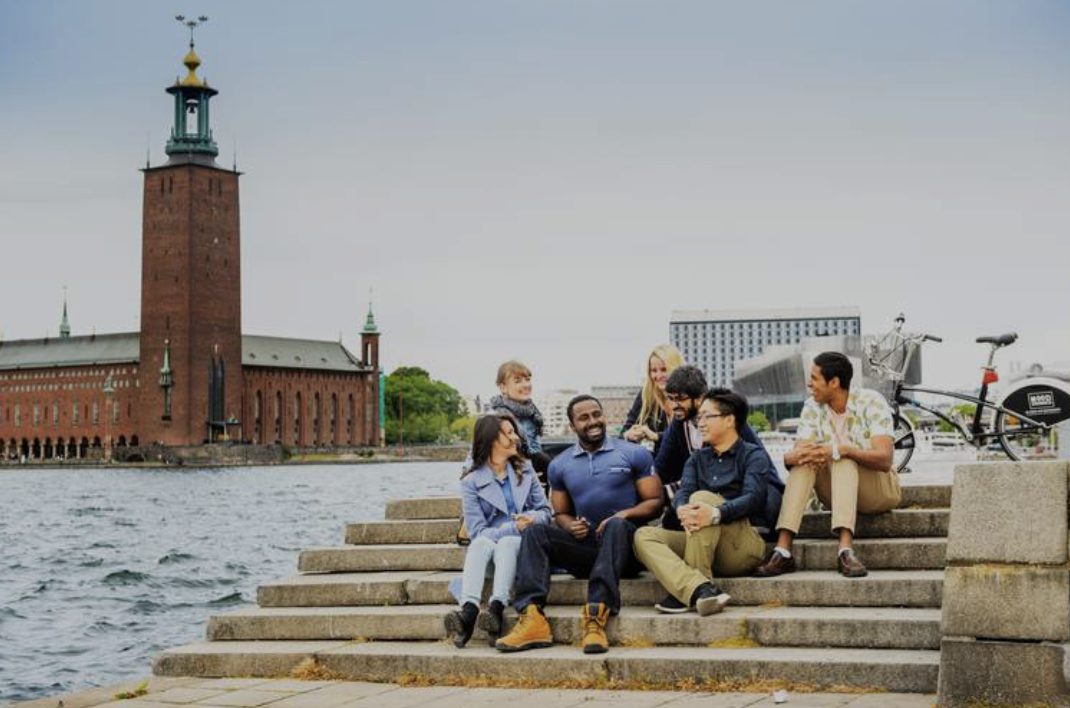
Beyond its social significance, diversity is a powerful economic imperative. Studies have demonstrated that companies with inclusive work environments are 35% more likely to outperform their competitors financially. Moreover, these diverse teams generate a 21% increase in innovation revenue, as they bring a wealth of unique perspectives to problem-solving.
In Scandinavia, businesses that embrace diversity are not only tapping into a broader talent pool but also gaining valuable insights into emerging consumer markets.
While Scandinavia has made significant progress in promoting diversity, challenges still exist. For instance, unemployment rates among immigrants in Sweden are higher than the national average. To overcome these disparities, continued investment in education, language training, and mentorship programs is essential.
In contrast, the rise of immigrant-owned businesses presents a substantial opportunity. Governments and private sectors can capitalize on this by providing resources such as funding, networking events, and targeted training programs to support the success of these businesses.

The Scandinavian model has demonstrated that diversity is a cornerstone of economic resilience and innovation. The region is leveraging diversity as a growth driver by increasing the number of foreign-born entrepreneurs, promoting gender-diverse leadership, and implementing inclusive workplace policies. As the world continues to globalize, businesses that prioritize inclusivity will not only attract top talent but also position themselves for sustainable success. Scandinavia’s approach offers a blueprint for how other regions can embrace diversity and thrive in an interconnected world.
To learn how our marketing agency can help you align your strategy with these trends, don't hesitate to reach out to us today. Let's collaborate to take your brand to the next level.
For further insights on the latest market trends, subscribe to our newsletter or follow us on social media.